
COLOR & PRODUCT · 5 MIN READ
Building a Cohesive Lip Color Collection
A considered shade story gives every product a purpose and makes it easier for buyers to understand how the collection fits together.
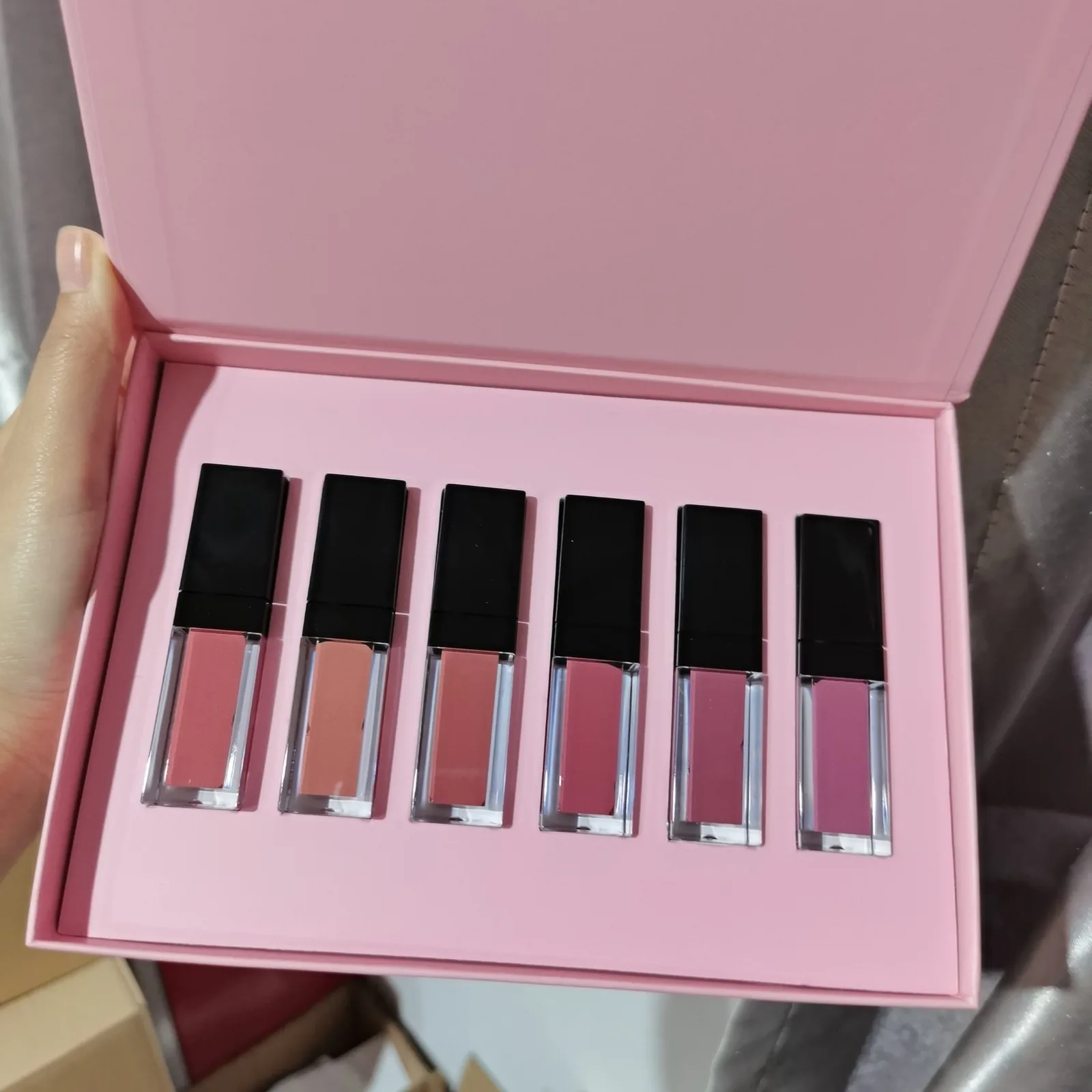
A lip collection can include several formats and still feel focused. The key is to define the customer and the assortment logic before expanding the shade count. Build the range around a clear point of view, then confirm shade availability and product details with the supplier.
Begin with a customer and a setting
Describe the person the collection is designed for and when they might use it: everyday wear, a special occasion, a seasonal edit or a broader core range. Consider the retail channel and the visual language of the brand. This context helps the team decide whether the palette should feel quiet, expressive, warm, cool or intentionally mixed.
Give each shade a role
Map the assortment by role rather than starting with a long list of color names. A compact range might include a versatile neutral, a deeper option and one distinctive accent. If the collection spans different skin tones or markets, plan how the range will be evaluated across those contexts. Shade naming and color matching should be checked against actual samples.
Coordinate formats without forcing a match
Gloss, liner and lipstick can support one another, but they do not need to be identical. Decide whether products should pair tonally, create contrast or serve different looks. A lip liner may be positioned to define or complement a lipstick, while a gloss may add a separate finish to the assortment. Refer to the current lip gloss, lip liner and lipstick categories as starting points, then confirm which options are actually available.
Use references as a starting point
Collect visual references, color codes and comparable products, and label what each reference is meant to communicate. It may indicate hue, depth, finish or packaging mood. Screen images and printouts are not a substitute for product evaluation, so agree on the sample review process before final approval.
Plan a sample review matrix
For each sample, record the SKU or sample code, shade, format, review date and feedback. Review the appearance under consistent lighting and note how products look alone and as a group. Capture any revisions clearly: a request to adjust undertone is different from a request to change depth or finish. Ask the supplier how revisions are identified and approved.
Keep launch decisions connected to supply details
Before finalizing the range, confirm current SKU availability, shade options, minimum quantities, packaging choices, sample terms and target-market documentation. Commercial terms and product specifications can vary by item. Keep unconfirmed items marked as open decisions so they do not become promises in a line sheet or campaign.
← Back to the journal