
PACKAGING · 6 MIN READ
What to Include in a Cosmetic Packaging Brief
A concise packaging brief helps a supplier assess the right component direction, artwork needs and questions to resolve before sampling.
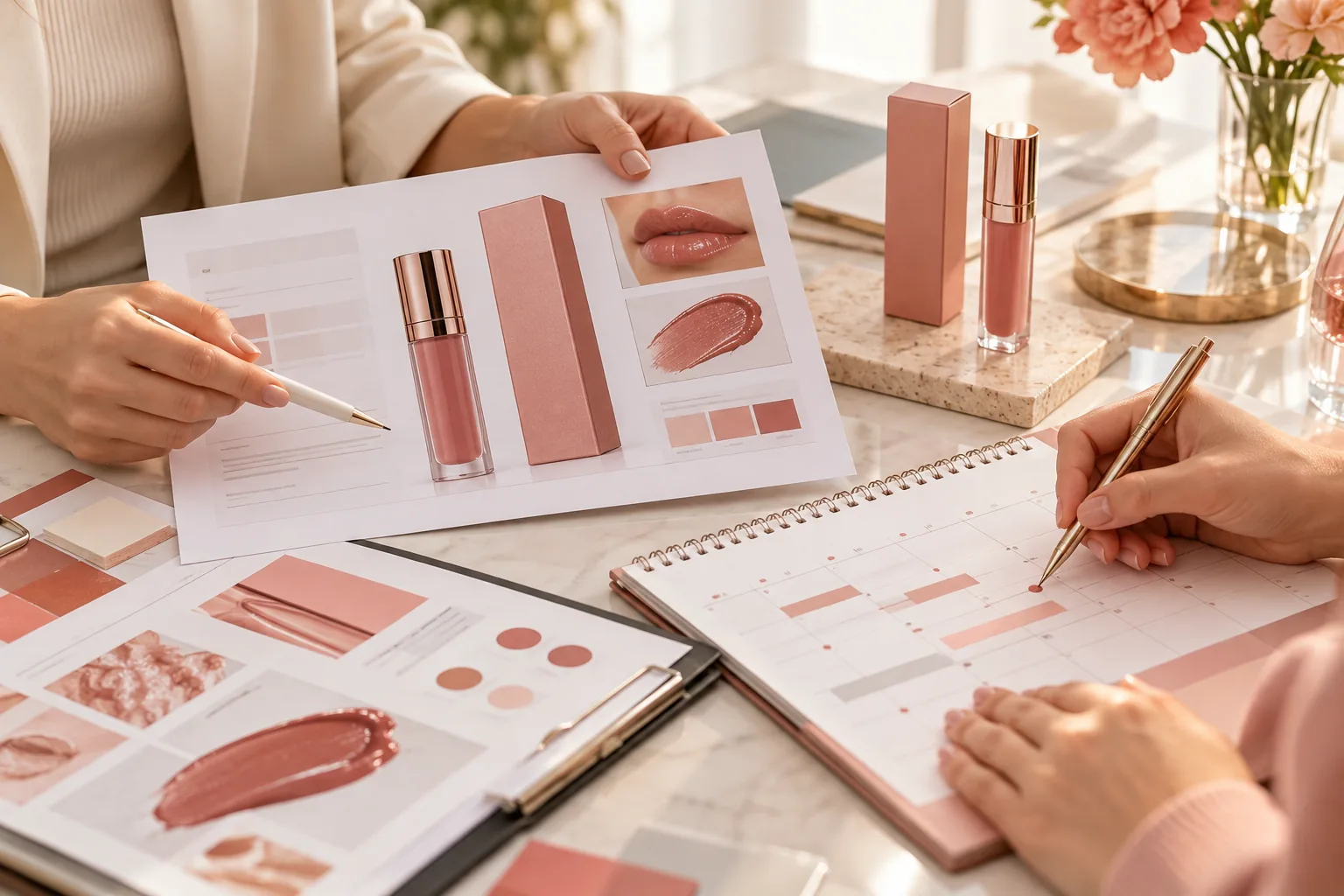
Packaging decisions connect product use, brand identity, labeling and production. A brief gives the supplier enough context to suggest relevant options without assuming that every component is compatible with every formula. Use the points below to prepare a practical first discussion.
Identify the product and its intended use
Start with the product category, format and how a customer is expected to use it. Note whether the request is for a finished color cosmetic or a packaging component. These are different sourcing needs and should be described separately. Include any product reference or sample code available, while marking specifications that still require confirmation.
Describe the component requirements
List the component type, preferred material or construction if known, approximate size or fill requirement, closure expectations and any handling considerations. References can help communicate shape and feel, but identify what matters most: appearance, portability, dispensing, decoration area or another requirement. Final compatibility and performance must be confirmed for the selected product and component combination.
Share brand assets and decoration direction
Provide the current logo in a usable vector format when possible, brand colors, typography guidance and examples of the desired visual style. Note whether you are considering printing, labels, finishes or other decoration, but ask the supplier to confirm which methods are available for the component. Keep original artwork files internal until the selected supplier and production process are approved.
Specify labeling and destination markets
List the countries or regions where the product may be sold and the languages required for packaging. Share the information your regulatory or compliance team expects to place on pack. Labeling requirements vary by market and product; the brief should identify the markets for review rather than claim compliance before the final packaging is checked.
Clarify commercial and timing assumptions
Include an estimated order range, target launch window and whether the packaging is for a first sample, pilot or planned production order. Ask for current minimum quantities, cost assumptions, sample charges and lead times for the specific component and decoration. Keep estimates separate from confirmed quotations, which should state scope and validity.
Agree how samples and revisions will be approved
Ask how physical samples, artwork proofs and revisions will be identified. Decide who provides feedback, how comments are consolidated and what constitutes final approval. Keep a dated record of the approved reference so the team can distinguish later revisions from the accepted version.
Use a simple brief checklist
- Product category and finished product or component scope
- Target customer, sales market and launch channel
- Component reference, dimensions or use requirements, if known
- Brand assets, color direction and decoration preferences
- Label languages and compliance review contacts
- Estimated quantity range and desired timing
- Sample, artwork approval and revision expectations
Some items may remain open after the first inquiry. Label them clearly and request the information needed to decide. A supplier can then review the project, confirm which options are available and identify any technical or commercial details that depend on the chosen SKU.
← Back to the journal