
SAMPLE REVIEW · 4 MIN READ · NOVEMBER 2, 2026
How to Review Color Cosmetics Samples Before Launch
A practical sample review workflow for makeup brands: identify versions, compare shade references and record decisions before production.
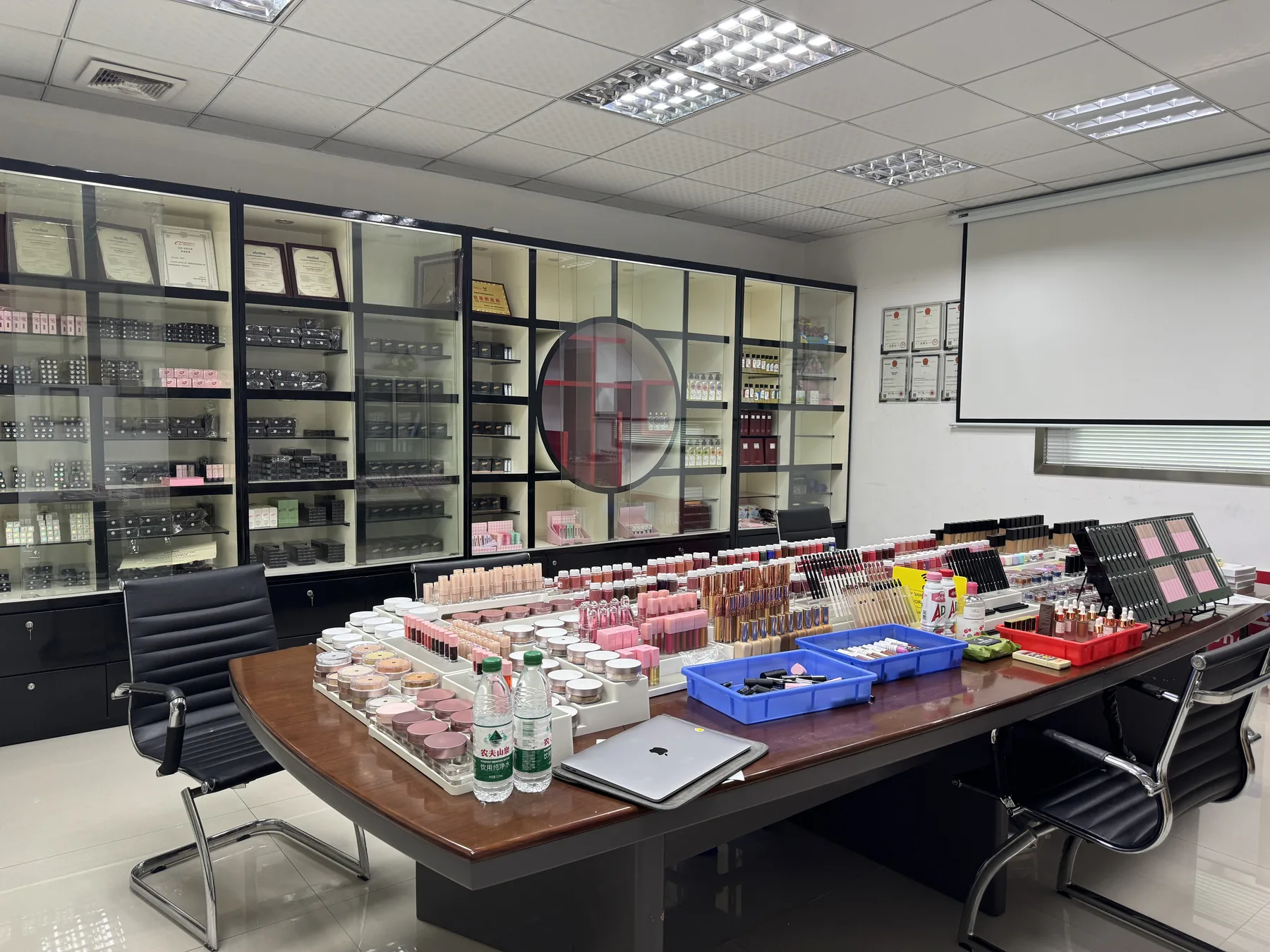
Start with a written decision
A sample review should answer a specific question. Are you selecting a shade direction, comparing a finish, reviewing the pack, or approving a complete product reference? Write that purpose before opening the samples. A shade exploration sample should not accidentally become the approval reference for an entire finished product.
Identify every sample version
Assign each sample a review code and record the product category, supplier reference, shade name, date received and version information provided. Keep the formula reference and component reference separate where available. If either is missing, mark it as pending rather than assuming that two similar-looking samples are identical.
Prepare a consistent comparison
Choose a consistent review setting and keep a physical color reference nearby. Record lighting and application conditions so later reviewers understand the comparison. Photographs can document a discussion, but camera settings and screens can change the appearance of color. Keep the agreed physical reference for the final shade decision.
Separate observations from claims
Write observations in plain language: the color appeared warmer than the reference, the applicator felt difficult to control, or the closure needed further review. Record who observed it and under which conditions. An informal review does not establish waterproof wear, safety, shelf life or other product claims; request the relevant evidence through the project review process.
Review product and packaging together
Ask whether the sample represents the proposed formula and packaging combination. Note dispensing, closure, handling and decoration questions as separate items. When a component changes, identify which earlier decisions need another review. A visual preference should not be treated as proof of compatibility or transport performance.
Give one consolidated revision brief
Collect feedback into one dated list. For each issue, include the sample code, observation, requested change, priority and person responsible for the next decision. Avoid conflicting comments such as asking for both more shine and a fully matte finish without explaining which direction takes priority.
Close the review with an explicit status
Use clear outcomes: approved for the stated purpose, revision requested, or awaiting information. Record the approved reference and any unresolved conditions. Confirm production specifications and required supporting documents separately before releasing an order. Keep the reference sample and approval history available to the team.
A review record you can reuse
For each SKU, capture the sample code, shade, formula and pack references, review purpose, conditions, observations, requested revisions, decision owner and next review date. Begin with a small consistent record that the team can maintain. Link it to your product brief so revisions stay attached to the correct item.
← Back to the journal